 Crane
Crane What to Know Before You Borrow: A Crane Finance Responsible Lending Checklist
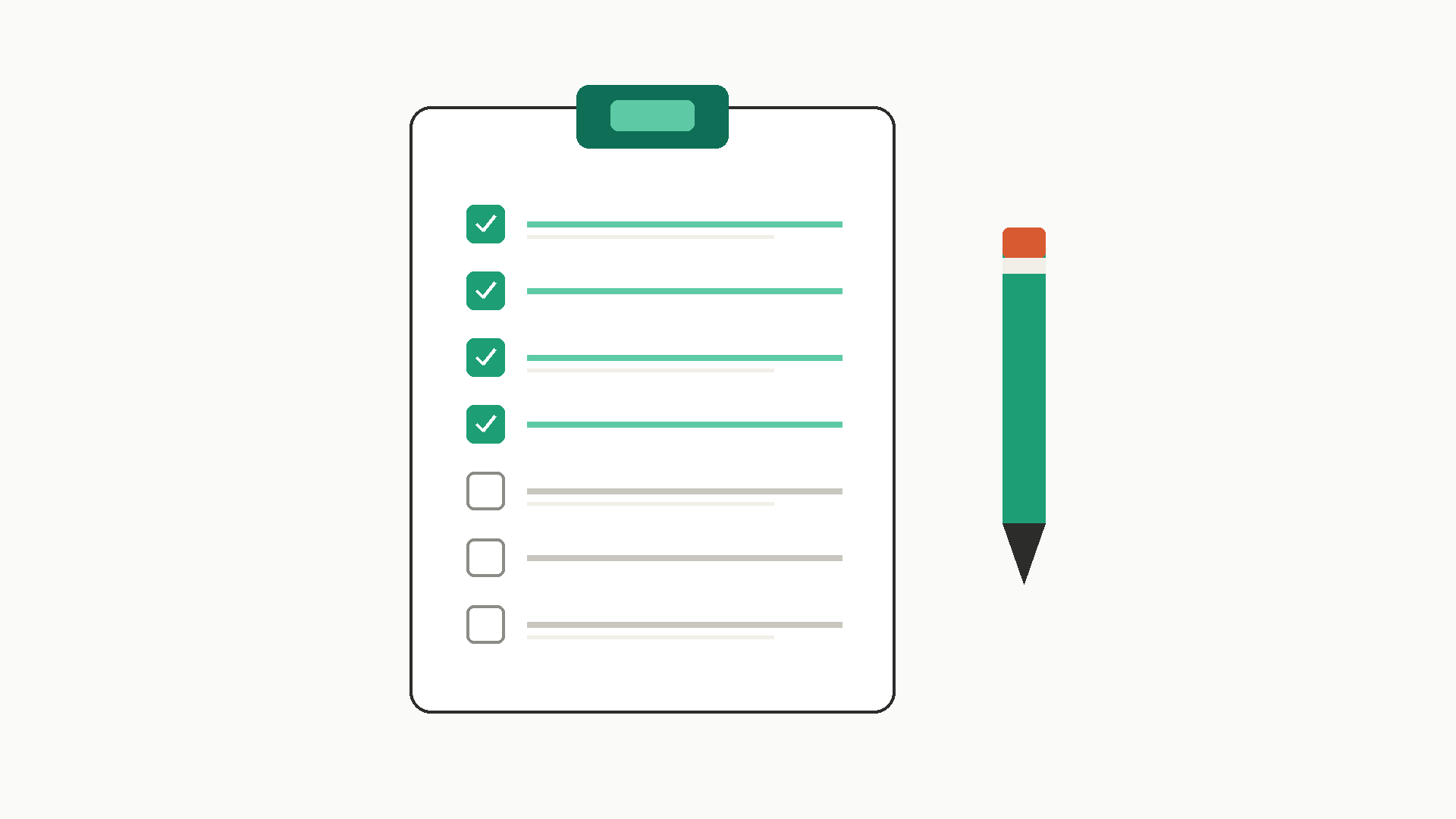
Before you click “apply,” pause and ask yourself a few honest questions. A short responsible borrowing checklist can help you decide whether a loan fits your budget, your goals, and your timeline—so you borrow with confidence, not pressure.
Why a Checklist Matters
Borrowing can be a smart tool when it solves a real need and you have a clear plan to repay. It can also create stress when the payment does not fit your monthly cash flow. That is why we encourage every applicant to walk through a simple set of questions first.
Crane Finance is committed to responsible lending as part of our role as an economic development arm of the Menominee Indian Tribe of Wisconsin. We want borrowers to understand their options, read key information, and make a decision that supports their household—not one made in a rush. Completing this checklist does not guarantee approval, and declining to borrow when the fit is unclear is always a valid choice.
Use the ten questions below as a personal filter. If most answers feel solid, you may be ready to explore an installment loan. If several answers give you pause, it may be wiser to wait, adjust your budget, or look at other resources first.
The 10-Question Responsible Borrowing Checklist
1. Do I truly need this money right now?
Separate “want” from “need.” Emergency car repairs, medical bills, or essential household costs often qualify as needs. Optional purchases, gifts, or lifestyle upgrades may be better delayed. If you can wait a paycheck or two without serious harm, that waiting period itself can be a form of responsible borrowing.
2. Have I listed exactly how much I need?
Borrow only what covers the need—not a round number that feels comfortable. Extra cash can feel helpful in the moment and harder to repay later. Write down the bill or expense amount, then check whether a smaller loan still solves the problem.
3. Can I afford the payment in my monthly budget?
Look at take-home pay after rent or housing, food, utilities, transportation, and existing debts. Ask whether a new installment payment would still leave room for basics and a small buffer. If you are unsure how to map payments against income, review our guide on how to budget for loan repayments.
4. Do I know when I expect to be repaid in full?
Installment loans spread repayment over time. Before you apply, picture the full timeline: first payment date, last payment date, and what else will compete for your income during that stretch (school costs, seasonal work changes, holidays). A clear end date helps you stay motivated and organized.
5. Have I reviewed the rates and terms I would be agreeing to?
Never apply without understanding the key terms that apply to your offer. Crane Finance publishes general information on our rates and terms page. Read carefully, ask questions if something is unclear, and make sure the structure matches what you expected before you commit.
6. Have I considered other options first?
Ask yourself: Can family help temporarily? Is an employer hardship program available? Would a credit union, community resource, or nonprofit assistance cover part of the need? Exploring alternatives does not mean a loan is wrong—it means you chose with open eyes. Our article on common borrowing mistakes to avoid covers traps that appear when people skip this step.
7. Am I calm enough to decide today?
Stress, embarrassment, or urgency can push people into faster decisions than they would make on a quieter day. If you can sleep on it overnight without missing a critical deadline, do so. Responsible borrowing includes emotional readiness, not only math.
8. Do I have a plan if my income dips?
Life changes. Hours get cut. Unexpected expenses appear. Ask how you would handle one late or reduced paycheck while still making your installment payment. A small emergency cushion—even a modest one—supports that plan. If you have zero flexibility, reconsider the loan size or timing.
9. Am I prepared to communicate if I hit a rough patch?
Good borrowers stay in touch. If something changes after you borrow, contacting your lender early is usually better than silence. Know how you would reach customer support and keep your contact information current. Clear communication is part of responsible credit use.
10. Does this loan support my longer-term goals?
A loan should move you toward stability—keeping a job by fixing a car, covering a temporary gap, or protecting essential services—not deepen a cycle of overlapping debt. If this loan would mainly pay another high-cost obligation without a broader plan, pause and rethink the bigger picture.
How Crane Finance Approaches Responsible Lending
We designed our online installment loans—generally in the $100 to $1,500 range—to serve people who need accessible, transparent options. Our commitment to responsible lending means we encourage education before application, clear disclosure of important terms, and respect for your decision either way.
That commitment does not mean every application is approved. Approval depends on eligibility, underwriting, and verification. Completing this checklist helps you decide whether to apply; it does not replace our review process or promise a particular outcome.
We also encourage you to read materials that explain how repayment fits a household budget and which mistakes commonly trip people up after they borrow. Those resources, linked above, are meant to empower—not to sell you a product you do not need.
Putting the Checklist Into Action
Try this simple workflow:
- Print or save the ten questions and answer them in writing.
- Share your answers with a trusted person if that helps you stay honest.
- Visit our rates and terms page and any repayment-budgeting tips that apply to your situation.
- Only then open an application—if your answers still support moving forward.
If several checklist items feel unresolved, celebrate that insight. Waiting can be the most responsible choice of all. You can return when your budget, need, and timing align more clearly.
Conclusion / Final Thoughts
“Should I take out a loan?” is a personal question. A responsible borrowing checklist does not replace judgment—it organizes it. When you know your need, your budget, your timeline, and your alternatives, you are far more likely to use credit as a tool rather than a burden.
Crane Finance is here to support informed decisions for members of the communities we serve. Review the checklist, explore our educational pages, and apply only when you feel ready.
Ready to Borrow Responsibly?
Start your application when every box is checked.