 Crane
Crane Building an Emergency Fund: Crane Finance Guide to Financial Safety Nets
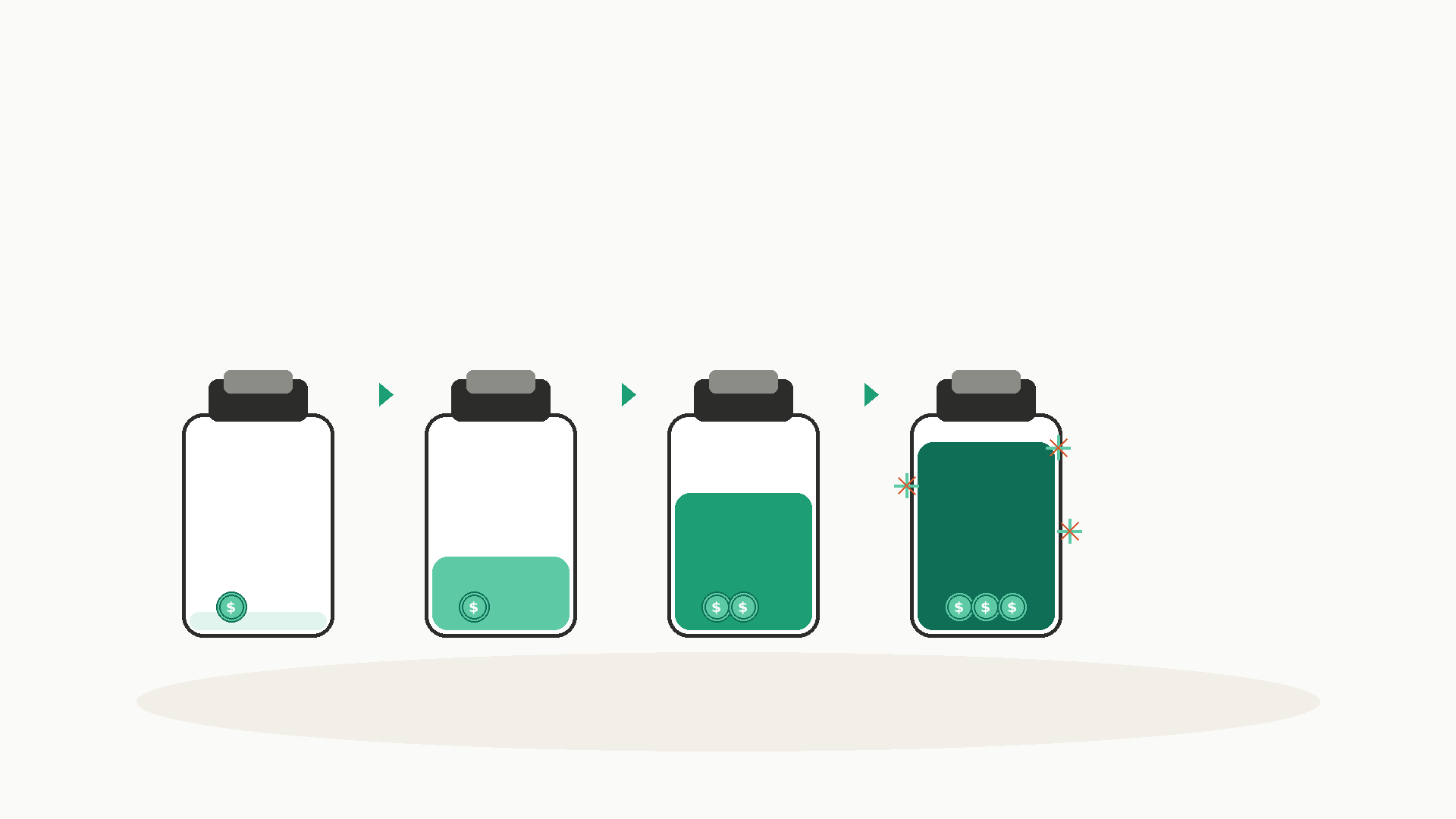
An emergency fund guide is not about becoming wealthy overnight. It is about giving yourself options when life surprises you—car repairs, medical bills, a reduced paycheck, or a broken appliance. This article explains how to start saving in small, realistic steps and how an installment loan can serve as a short-term bridge while you build a longer-term safety net—not as a replacement for savings.
Why Emergency Funds Matter
Without a cash cushion, every unexpected expense can turn into a crisis—skipping a bill, leaning on family, or borrowing under pressure. A dedicated emergency fund reduces that urgency. Even a modest balance can cover a tow, a prescription, or a few days of groceries while you regroup.
Benefits of a basic emergency fund include:
- Fewer panicked decisions
- More negotiating room when something breaks
- Less pressure to borrow for every small shock
- A clearer sense of control over your month
You do not need a perfect income or a large starting balance to begin. You need a plan you can repeat.
How to Start Saving—Even on a Tight Budget
If you have wondered how to start saving when money already feels tight, start smaller than you think. Consistency beats intensity.
Start with a tiny, automatic habit
Examples that many households can try:
- $10 per week transferred on payday
- $20 every other week
- Rounding up spare change into a separate account when available
- Saving a small "found money" amount from refunds, gifts, or side work
Ten dollars a week is about $520 over a year before any interest or growth. That amount will not solve every emergency, but it can prevent some from becoming debt. The habit matters as much as the balance.
Separate the money from everyday spending
Keep emergency savings in a different account from your checking account if you can. Label it clearly—"Emergency Fund"—so you are less tempted to dip into it for non-emergencies. If a separate account is not available yet, track a dedicated line in a notebook or simple spreadsheet until you can open one.
Define what counts as an emergency
Write a short definition for yourself. Common examples include necessary car repairs that affect getting to work, urgent medical costs, essential home repairs, and temporary income loss. Non-examples often include planned vacations, new electronics, or routine shopping. Clear rules protect the fund so it is there when you truly need it.
A Practical Goal: 3–6 Months of Expenses
Many financial educators suggest aiming for three to six months of essential expenses. That target can feel huge at first. Treat it as a ladder, not a leap.
Step 1: First $100
Step 2: First $500
Step 3: One month of essentials
Step 4: Three months of essentials
Step 5: Up to six months if your income is irregular or your household has dependents
Essential expenses usually include housing, utilities, food, transportation, insurance, and minimum debt payments—not optional spending. If income varies, aim higher when you can. If income is steady, a smaller fund still helps while you build.
Simple Tools and Habits That Help
You do not need complex software. Simple tools work:
- Automatic transfers on payday so saving happens before spending
- A written budget that lists the weekly or monthly save amount as a non-negotiable line
- A visible tracker (app, spreadsheet, or paper chart) so progress feels real
- A "pause and ask" rule before using the fund: Is this urgent? Necessary? Temporary?
Habits that protect progress: review the balance monthly, refill after you use it, and raise the automatic amount when income grows. This emergency fund guide stays simple because complex systems are harder to keep in stressful months.
Where Installment Loans Fit—and Where They Do Not
An installment loan can be a short-term bridge when you face a necessary expense and your emergency fund is not ready yet. That is different from treating borrowing as your permanent safety net.
Helpful framing:
- Bridge: Use a carefully sized installment loan for a defined need while you continue saving.
- Not a replacement: Do not skip building savings because credit is available.
- Plan both: If you borrow, include repayments in your budget and keep a small save-amount running in parallel when possible—even $5–$10 per week.
For ideas on using credit thoughtfully rather than reactively, read smart ways to use an installment loan. Pair that with the responsible borrowing checklist before you take on a new payment.
If you need current product disclosures while you weigh options, review Crane Finance's rates and terms. Pricing and eligibility depend on the offer you receive; this article does not quote specific APRs or fees.
A 30-Day Starter Plan
If you want a concrete first month, try this:
Week 1: Open or label a savings spot. Write your emergency definition. Set an automatic $10 (or whatever you can) transfer.
Week 2: List last month's essential expenses. Estimate a one-month target. Cut one small non-essential expense and add that amount to savings.
Week 3: Put due dates for any current bills or loans on a calendar. Protect those payments first; savings comes from what remains after essentials—or from a planned cut.
Week 4: Review progress. Celebrate any positive balance. Decide whether to keep the same transfer or increase it slightly next month.
At the end of 30 days, you may not have a full emergency fund—and that is okay. You will have a system. Systems compound.
When You Must Use the Fund—or Borrow
Using the fund for a true emergency is success, not failure—that is what it is for. Afterward, note what you spent, restart automatic savings to refill, and adjust your target if needed.
If the expense is larger than your fund and borrowing becomes necessary, size the loan to the gap—not to the maximum available. Keep saving in the background. Revisit smart ways to use an installment loan and the responsible borrowing checklist so the bridge stays temporary.
Conclusion / Final Thoughts
This emergency fund guide is about progress, not perfection. Learning how to start saving—even at $10 a week—builds a cushion that reduces panic and pressure. Aim over time for three to six months of essential expenses, use simple automatic habits, and treat installment credit as a short-term bridge while your fund grows—not as a substitute for it.
When you need a structured way to think about borrowing responsibly alongside saving, use the responsible borrowing checklist and smart ways to use an installment loan. For product disclosures, see Crane Finance's rates and terms.
Need a Bridge While You Build Your Fund?
A Crane Finance installment loan may help with a short-term gap.